

For years, businesses obsessed over a single objective: earning a spot on Google’s first page. Rankings, backlinks, and SEO checklists often defined success, because that’s where attention—and clicks—were.
But the way people search for information and services is changing fast.
Instead of scrolling through blue links and opening many tabs, users now turn to AI assistants and voice tools.
They use these tools to get instant answers. They’re asking questions like:
And the response they get often isn’t a traditional results page.
It’s a dialogue-based
dialogue-based answer made by artificial intelligence. It may include only a few citations. It may offer a short list of recommendations.
It may present one “best” option. That means the competition isn’t only about ranking #1 anymore.
It’s about being the brand the AI trusts and understands. It’s also the brand it chooses to mention when someone asks.
This shift creates a new requirement for visibility. Businesses still need to optimize for classic search engines.
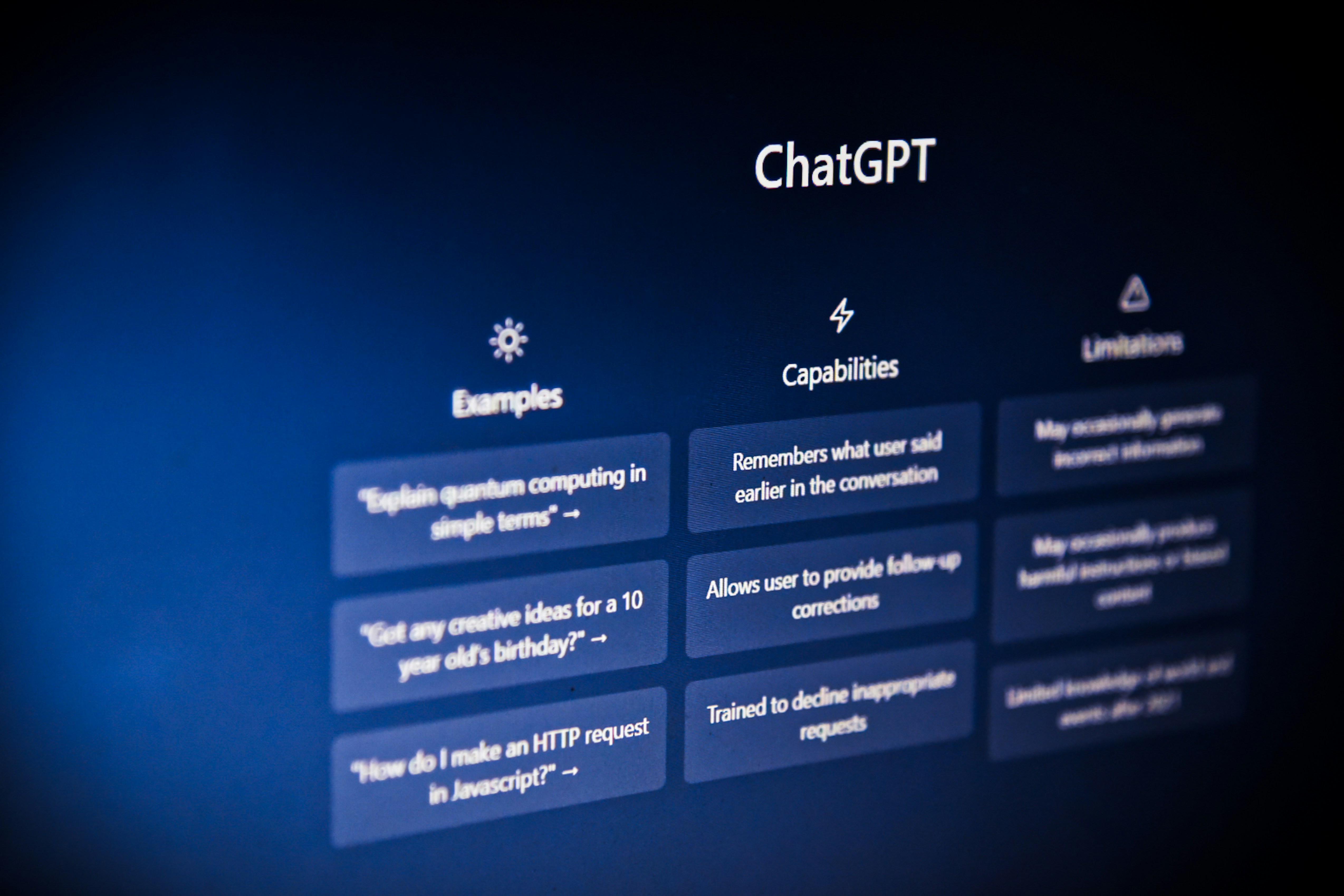
They also need to optimize for AI discovery platforms.
These include Google AI Overviews, ChatGPT, and voice assistants. In practice, this means you should build clear signs of expertise.
You should share content that answers real questions.
You should keep your brand information consistent.
You should also make it easy for machines to read.
For companies that act early, this is a big chance to gain attention before the space gets crowded.
For those that ignore it, visibility may quietly fade—even if their website “still ranks.”
Traditional SEO has always been about helping a website rank for target keywords in search engines.
You study what people search for. You create pages that match their intent. You earn links to build trust. You improve technical performance so Google can crawl and index your content.
While all of that still matters, the way people discover information is changing fast. AI-driven platforms don’t just scan pages for keywords.
They try to understand meaning, judge credibility, and deliver a short answer in seconds. In other words, modern systems want structured, credible information they can interpret, trust, and reuse.
That shift is driving the rise of three newer optimization approaches.
They build on SEO, but focus more on how AI systems read, judge, and cite information.
GEO focuses on optimizing content so that AI engines can interpret it and confidently use it when generating answers. Instead of simply indexing a page, AI models analyze whether the information is organized, specific, and confirmable.
Key signals often include:
When your content is easy to read and backed by trusted evidence, AI systems are more likely to use it.
They may summarize it and show your brand in AI-generated answers.
AEO focuses on helping your content become the direct, best possible answer to a question.
It is the kind of response a search engine or assistant can share with confidence.
It does not need extra interpretation. The goal is clarity and completeness, not just rankings.
AEO commonly includes:
If someone asks an AI assistant a question that your content answers clearly, the system may cite your business as a source.
It may also use your wording and structure to build its response.
LLMO focuses on making your brand identifiable and credible to AI models over time. It’s less about a single page and more about a consistent knowledge footprint across the web.
This typically involves:
In simple terms, LLMO helps AI systems see your business as a trusted authority.
This makes it more likely they will mention, cite, or recommend you.
It happens when users ask questions in AI-powered search experiences.
Large corporations often have massive marketing teams managing their digital presence.
Small businesses rarely do.
That creates both a challenge and an opportunity.
With the right strategy, small businesses can compete by focusing on clarity, authority, and useful content.
Instead of producing endless marketing material, businesses can focus on creating:
This type of content is exactly what AI platforms prefer.
When an AI assistant recommends a company, contractor, or local service, it’s rarely random. Behind the scenes, the system usually weighs many signals.
It uses them to find the best business match.
It also checks which business seems trustworthy and easy to verify.
It bases this on online information that is available.
AI systems tend to favor businesses that plainly communicate what they do, who they help, and what outcomes they deliver. If your website copy is vague or too broad, AI may struggle to sort your services.
It may also fail to match you with the right customer request. Clear service descriptions, strong positioning, and specific offerings make your expertise easier to understand and recommend.
Structured information makes it simpler for search engines and AI models to interpret your business accurately. This includes both technical and content structure, such as:
The more clearly your site is organized, the more confidently an AI system can pull the right details.
Location signals still matter a lot, especially for services tied to a geographic area. Businesses that consistently mention their service regions, local landmarks, and community involvement send stronger local relevance signals. This can help AI understand where you operate and why you’re credible in that market.
AI models often cross-check your business details across multiple sources, including:
Keeping your name, address, phone number, services, and messages the same across channels builds trust and reduces confusion. This helps both AI systems and potential customers.
Adapting to AI-driven discovery doesn’t mean abandoning traditional marketing or starting from scratch. Instead, it’s about strengthening the digital foundation you already have.
It also makes it easier for people and AI systems to understand your business.
This helps them trust it and recommend it. Companies that use proven best practices and AI-ready updates will be in a stronger position.
Search is evolving beyond simple keyword matching.
Some of the most effective steps include:
Give each core service its own dedicated page, written in plain language and structured for quick understanding. At a minimum, every service page should clearly explain:
You can also improve these pages with support items like price ranges (if needed).
Add service areas, common concerns, and proof like testimonials or short case examples. The goal is to remove ambiguity so users—and AI—can accurately interpret what you offer.
Educational content, like blog posts, guides, and resource pages, helps you show expertise.
It also answers the real questions buyers ask. Topics like “how to choose,” “cost factors,” “common mistakes,” and “what to expect” can attract high-intent visitors.
They also build trust before anyone contacts you.
Over time, a steady library of helpful content shows authority in your niche.
It also gives AI systems more context when they summarize solutions.
Structured data helps machines interpret your site with more precision by adding explicit context about your business and content. Common schema types to consider include:
When used correctly, these signals can improve clarity.
They can also help qualify for enhanced search features.
They can also improve understanding by search engines and AI models.
Keep your business name, address, phone number, services, and descriptions consistent across your website, Google Business Profile, directories, and social platforms. Consistency helps AI systems confirm you are legitimate.
It helps them link details across the web.
It also helps them trust your information.
Throughout history, marketing has always evolved alongside technology—and the businesses that move first are usually the ones that benefit most. From print ads and direct mail to radio and TV, marketing keeps changing. Websites and social media have added more ways to reach people. Each big shift has created new chances.
These chances help brands that are willing to learn, adapt, and lead. The main goal has not changed. It is still to reach the right people with the right message.
But customers now find, compare, and choose businesses in new ways.
AI-powered search is simply the next chapter in that story. More people are getting answers through AI summaries, voice search, and dialogue-based
dialogue-based
tools that don’t always rely on traditional “blue link” browsing. That means visibility is no longer just ranking for a keyword. It is about being clearly understood by systems. These systems scan, summarize, and recommend. Businesses that shape their content for AI discovery today can gain a big edge in the years ahead.
They should use clear messages, helpful information, and strong site foundations.
Those who wait may end up competing for attention in a much more crowded digital space. Customer trust will be harder to earn, and paid advertising will cost more. Early adaptation protects long-term growth.
It helps you build a discoverable, credible, and consistent brand.
This stays true, even as search changes over time.
At Jpetrous Creative Services, we help small businesses build a stronger online presence that’s built to last. We do this through strategic branding, website design, marketing content, and creative development.
It supports real business goals, not just short-term trends. Whether you’re refining an established brand or starting from scratch, we focus on clarity, consistency, and conversion.
Our approach centers on building marketing systems that look great and perform well in modern search. That includes thoughtful brand strategy, clean and effective web design, clear messaging, and content that communicates value quickly. From website development to brand positioning and ongoing marketing support, our goal is simple:
help businesses become easier to find, easier to understand, and easier to trust.
If your business wants to stay competitive in the AI era, now is the time to act. Start building the right foundation today—before your competitors do. Learn how strong branding, high-performing web design, and scalable marketing systems can support your business growth.
They can also help customers choose you with confidence. Learn how strong branding and high-performing web design support business growth. Discover scalable marketing systems that also support growth.
They can also help customers choose you with confidence.
Creative That Converts. Strategy That Scales.





.jpg)
The businesses winning in Michigan aren't chasing trends. Jonathan Petrous shares a practical 2027 marketing playbook built specifically for the Michigan small business market.
Read More
Great local businesses in Marysville, Chesterfield, and Macomb Township are invisible online — and it's fixable. Jonathan Petrous explains the three most common causes and exactly what to do about them.
Read More
Tight marketing budget in Port Huron or the surrounding area? Jonathan Petrous shares the highest-leverage moves local businesses can make right now — most of them free or nearly free.
Read More


Jpetrous Creative Services proudly supports businesses across:
Macomb County • St. Clair County • Metro Detroit • Southeast Michigan
Including communities like:
New Baltimore • Chesterfield • Sterling Heights • Clinton Township
St. Clair • Marysville • Port Huron • Rochester • Auburn Hills • Detroit





















Before you go
Call or send a message. Tell me what you're working on and I'll tell you honestly whether I'm the right fit.