
C&G Remodeling reached out to us by email. They'd been producing social media video and weren't happy with it — it wasn't showcasing who they were, and it wasn't landing.
Here's what was interesting about the diagnosis: the concept was fine. They were interviewing their team, which is exactly the right instinct for a remodeling company. The problem wasn't the idea. It was the execution.
That distinction matters, because most businesses in this position assume they need a new idea when what they actually need is better craft.
Audio. This is the one people underestimate most. Viewers will tolerate mediocre video quality and scroll past bad audio within two seconds. Wind on a job site, echo in an empty room, a subject standing too far from the microphone — any of those will sink an otherwise good interview. If you fix only one thing, fix audio.
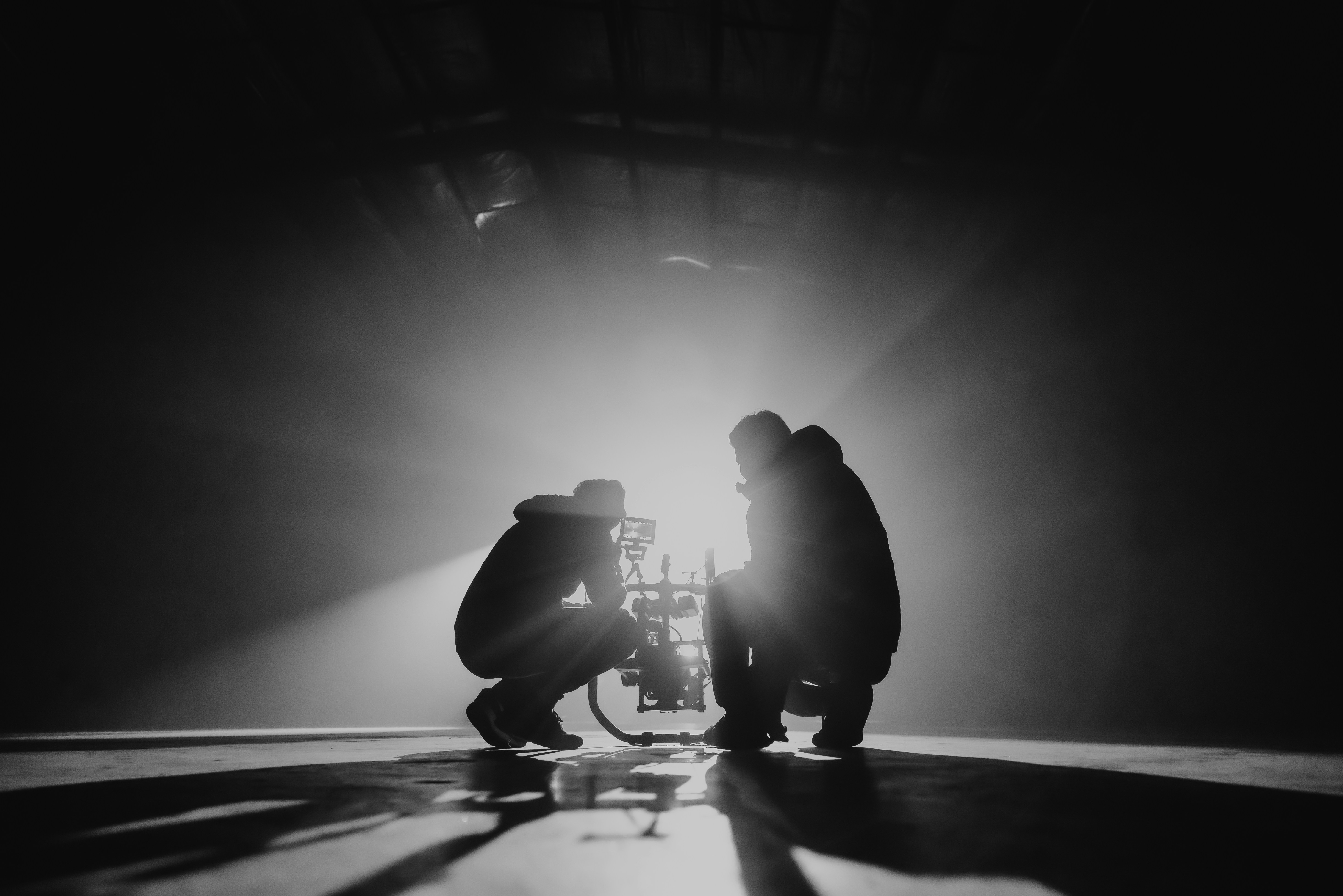
Lighting. Job sites are lighting nightmares. Backlit doorways, harsh midday sun, half-finished rooms with one working fixture. Without any thought given to where someone stands and where the light is coming from, the subject ends up shadowed and the footage looks amateur regardless of the camera.
Pacing. A talking head holding on one shot for ninety seconds feels long even when the content is good. Attention on social platforms is measured in seconds, and static footage burns through it fast.
No b-roll. This is the fix for the pacing problem and it's the most commonly skipped step. Cutting away to the work — hands on the job, a wall coming down, the finished countertop — gives the eye something new while the audio continues underneath. It's the difference between watching someone talk about remodeling and watching remodeling happen.
The most common failure in small business video isn't the concept — it's audio, lighting, pacing, and missing b-roll. Viewers tolerate imperfect video quality but abandon bad audio within seconds, and static footage without cutaways feels slow regardless of how good the content is.
We travel to C&G's job sites — residential and commercial both — across whatever they're working on: roofing, siding, bathroom and kitchen remodels, full basement builds, drywall, countertops, cabinets.
On site, we capture the team working, before-and-after footage, and video testimonials whenever a homeowner is available and willing. Then everything gets cut into social-ready material for Reels, Facebook, and TikTok, with a wide-format version for YouTube.
Two decisions worth explaining:
We shoot vertical as the primary format. Not wide-then-crop. If the audience is watching on a phone, the footage should be composed for a phone from the start. Cropping a wide shot to vertical means either cutting the subject out of frame or ending up with something composed for a screen nobody is using.
We spend real time on site. Capture can't be rushed. Getting enough usable b-roll, waiting for the right moment in the work, and setting up an interview properly all take longer than people expect. Time on site is what produces enough material to cut something engaging rather than something merely finished.
If your audience watches on phones, shoot vertical as the primary format rather than cropping wide footage. Cropping either cuts the subject out of frame or wastes most of the screen, and both are visible to viewers even when they can't articulate why something looks off.
Home improvement runs on a particular kind of trust. A homeowner is inviting a crew into their house, often for a five-figure investment, based largely on a first impression.
No amount of writing about craftsmanship does what watching the work does. Seeing a crew handle a job, seeing a space go from torn open to finished, seeing the same care applied whether or not anyone appears to be watching — that answers the question a homeowner is actually asking, which is can I trust these people in my house.
Video is the closest thing to letting a prospective customer stand on a job site before they've signed anything.
We capture homeowner testimonials when someone is available and willing, and that qualifier is deliberate.
A real customer saying a real thing in their own words is worth more than any script. But it has to be genuinely voluntary and genuinely theirs. Coached testimonials read as coached, and viewers detect it faster than most businesses expect — which makes the whole piece less credible, not more.
If you're shooting your own content and it isn't performing, in order:
Get a microphone. An inexpensive lavalier or shotgun mic will improve your content more than a better camera will.
Watch your light. Put the subject facing the light source, not backed against it. Open doorways and windows behind someone are the most common mistake.
Capture more b-roll than you think you need. You will always want more in the edit. Shoot the details, the hands, the process, the finished result.
Cut sooner than feels natural. Whatever length feels right, it's probably long.
Why isn't my business video getting views?
Most often it's craft rather than concept — poor audio, bad lighting, slow pacing, and no cutaway footage. Viewers abandon bad audio within seconds and static footage feels long even when the content is good.
Should I shoot video vertically or horizontally?
Shoot vertical if the primary destination is Reels, TikTok, or Stories. Shoot wide if the primary destination is YouTube. Shooting both, or shooting vertical primary with a wide secondary capture, covers more ground than cropping one into the other.
What is b-roll and why does it matter?
B-roll is supplementary footage cut in over the main audio — hands working, details, the finished result. It solves pacing by giving the viewer something new to look at while the narration or interview continues underneath.
What's the most important equipment upgrade for business video?
Audio. A basic external microphone improves perceived quality more than a better camera, because viewers tolerate imperfect images far more than imperfect sound.
How long should a social media video be for a contractor?
Short-form clips generally run fifteen to sixty seconds. Longer walkthroughs work on YouTube where viewers arrive expecting depth. The same job site footage can serve both.
Should I ask customers for video testimonials?
Yes, when they're genuinely willing. Real customers speaking in their own words carry weight no script matches. Avoid coaching them — rehearsed testimonials read as rehearsed and undercut the credibility they're meant to build.
Sitting on footage that isn't performing? Schedule a free consultation at jpetrous.com | contact@jpetrous.com | 586-563-6634.







.jpg)
The businesses winning in Michigan aren't chasing trends. Jonathan Petrous shares a practical 2027 marketing playbook built specifically for the Michigan small business market.
Read More
Great local businesses in Marysville, Chesterfield, and Macomb Township are invisible online — and it's fixable. Jonathan Petrous explains the three most common causes and exactly what to do about them.
Read More
Tight marketing budget in Port Huron or the surrounding area? Jonathan Petrous shares the highest-leverage moves local businesses can make right now — most of them free or nearly free.
Read More


Jpetrous Creative Services proudly supports businesses across:
Macomb County • St. Clair County • Metro Detroit • Southeast Michigan
Including communities like:
New Baltimore • Chesterfield • Sterling Heights • Clinton Township
St. Clair • Marysville • Port Huron • Rochester • Auburn Hills • Detroit






































Before you go
Call or send a message. Tell me what you're working on and I'll tell you honestly whether I'm the right fit.