


We were introduced to Monnencia Riley and Kyle Kuykendall of Thrivent's Great Lakes Advisor Group through the Anchor Bay Chamber and one of its ambassadors, Wendy.
That's worth noting on its own. Chambers that have been around a while tend to work deliberately at putting members in front of one another — rotating introductions so nobody gets overlooked. It's an underrated function of a good chamber, and it's how this project started.
The work itself was straightforward: two retractable pop-up banners. What made it interesting was the constraint.
In most industries, marketing copy is a creative decision. In financial services, insurance, healthcare, and legal, it's a compliance decision first and a creative one second.
Every claim is subject to review. Certain words carry regulatory weight. Statements about performance, guarantees, or outcomes are governed by rules that exist for good reasons. A designer who treats the copy as raw material to be improved will produce something that gets rejected, and rightly so.
The correct posture is the opposite: the constrained language is the requirement, and the design works around it.
In regulated industries, marketing copy is a compliance requirement before it is a creative choice. Designers working in financial services, healthcare, or legal should treat approved language as fixed and build the design around it rather than editing for style.
All artwork was reviewed by their team before going to print. Not a formality — a real step in the process, and one we built the timeline around.
This matters more than it sounds. Rushing a regulated client past their own review process to hit a deadline puts them at risk, not you. The professional move is to plan for review time from the start and treat it as part of the project rather than an obstacle to it.
Following every step without skipping details is most of what a regulated client actually needs from a creative partner.
Retractable banners have demands separate from compliance.
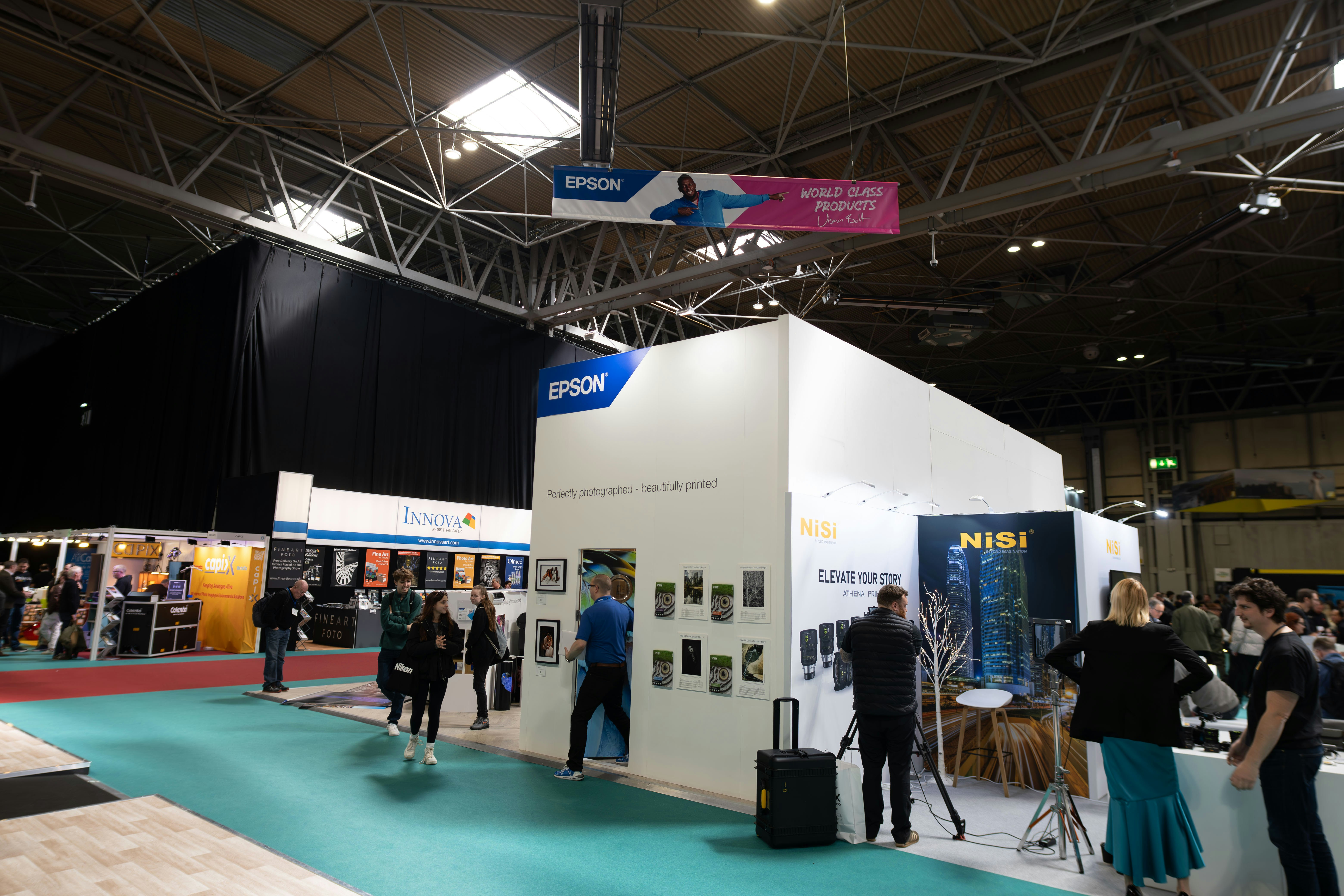
They're read from about ten feet away by someone walking past. That means a handful of words carry the entire message. Anything requiring the reader to stop and study has already failed.
The usable area is smaller than the banner. The bottom portion sits at knee height where nobody looks, and the top can be above comfortable sightlines. The message belongs in the middle band.
They're printed large from a single file. Resolution problems that are invisible on screen become obvious at full height.
They live in unpredictable environments. Conference halls, community events, office lobbies, fluorescent lighting. A design that only works under ideal conditions will not get ideal conditions.
Compliant, legible from ten feet, and still worth stopping for is a genuinely tight brief.
A retractable banner is read from roughly ten feet away by someone in motion, and its bottom portion sits below normal sightlines. Keep the core message in the middle band, limit it to a handful of words, and design for imperfect event lighting.
The banners are still in use today.
That's the quiet measure of whether print work was done right. A banner that gets used once and retired was probably tied too tightly to a single moment. One that keeps getting pulled out for the next event was built to outlast the occasion — which also makes it dramatically better value than the invoice suggests.
Treat approved copy as fixed. If legal or compliance signed off on the wording, that wording is a specification.
Build review time into the schedule. Not as a buffer at the end — as a scheduled step with a date on it.
Design for reuse. The more constrained your messaging, the more valuable evergreen materials become, since you can't easily produce fresh ones on short notice.
Pick a partner who asks about your review process. Someone who doesn't ask is going to create a problem eventually.
How is marketing design different for regulated industries?
Copy is a compliance requirement rather than a creative variable. Claims, disclosures, and specific terminology are governed by rules, so the design has to work around approved language rather than rewriting it for style.
Who reviews marketing materials in financial services?
Typically an internal compliance function or the parent organization, depending on structure. The important thing from a design standpoint is that review happens before print and that the schedule accounts for it.
How much text should go on a retractable banner?
As little as possible. A headline and a small number of supporting words. Readers are ten feet away and moving, so anything requiring sustained attention won't be read.
What size should a retractable banner design be?
Standard retractable banners are commonly around 33 inches wide by 79 to 81 inches tall, but confirm exact dimensions and the safe area with your printer before designing — the bottom portion often disappears into the base mechanism.
What resolution do banner files need?
Requirements vary by printer and viewing distance, but banners are printed large and errors show. Work from vector artwork wherever possible and confirm specs before starting rather than after.
How long should event banners last?
Designed well, several years. Avoiding dates, single-event references, and time-specific offers keeps a banner reusable across many events — which is where the real value is.
Work in an industry where every word gets reviewed? Schedule a free consultation at jpetrous.com | contact@jpetrous.com | 586-563-6634.
This post is provided for informational purposes only and is not financial or investment advice.








.jpg)
The businesses winning in Michigan aren't chasing trends. Jonathan Petrous shares a practical 2027 marketing playbook built specifically for the Michigan small business market.
Read More
Great local businesses in Marysville, Chesterfield, and Macomb Township are invisible online — and it's fixable. Jonathan Petrous explains the three most common causes and exactly what to do about them.
Read More
Tight marketing budget in Port Huron or the surrounding area? Jonathan Petrous shares the highest-leverage moves local businesses can make right now — most of them free or nearly free.
Read More


Jpetrous Creative Services proudly supports businesses across:
Macomb County • St. Clair County • Metro Detroit • Southeast Michigan
Including communities like:
New Baltimore • Chesterfield • Sterling Heights • Clinton Township
St. Clair • Marysville • Port Huron • Rochester • Auburn Hills • Detroit
































Before you go
Call or send a message. Tell me what you're working on and I'll tell you honestly whether I'm the right fit.